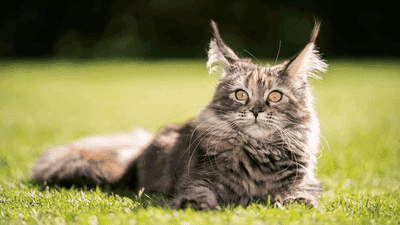
Cat trees are an essential piece of furniture for any cat owner. These multi-level structures provide a safe and engaging environment for your feline friend to climb, scratch, play, and rest. With so many cat trees on the market, it can be overwhelming to choose the right one for your cat’s needs.
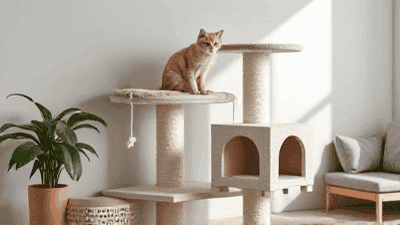
Cat trees are an essential piece of furniture for any cat owner. These multi-level structures provide a safe and engaging environment for your feline friend to climb, scratch, play, and rest. With so many cat trees on the market, it can be overwhelming to choose the right one for your cat’s needs.
1. Why Cat Trees Are Important for Your Cat
Physical and Mental Stimulation
Cat trees provide opportunities for climbing, jumping, and scratching, which help keep your cat physically active and mentally stimulated.
Stress Relief
Having a dedicated space to climb and perch helps reduce stress and anxiety in cats, especially in multi-pet households.
Scratching Outlet
Cat trees with scratching posts or surfaces allow your cat to satisfy their natural scratching instincts, protecting your furniture from damage.
Territory Marking
Cat trees give your feline a sense of ownership and territory, which is particularly important in homes with multiple cats.
2. Key Features to Look for in a Cat Tree
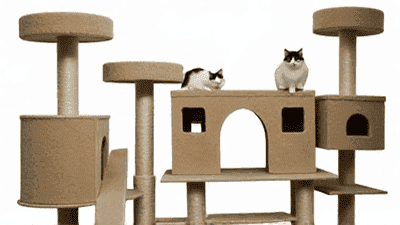
Size and Height
Choose a cat tree that fits your space and provides enough vertical height for your cat to climb and perch.
Stability
A sturdy base and durable materials ensure the cat tree won’t wobble or tip over, especially with larger or more active cats.
Materials
Look for high-quality materials like sisal rope for scratching posts, soft plush for perches, and non-toxic materials for safety.
Number of Levels
Multi-level cat trees offer more climbing opportunities and resting spots, making them ideal for active cats.
Additional Features
Some cat trees include extra features like hammocks, tunnels, hideouts, or interactive toys to keep your cat entertained.
3. Top Cat Trees on the Market: A Comparison
Cat Tree 1: Go Pet Club Cat Tree
Features
- Multiple levels with plush perches and scratching posts.
- Sisal-wrapped posts for durable scratching.
- Two condos for hiding and resting.
Pros
- Affordable and spacious.
- Easy to assemble.
- Suitable for multi-cat households.
Cons
- May not be stable enough for very large cats.
- Plush material can attract fur and debris.
Best For: Budget-conscious cat owners with multiple cats.
Cat Tree 2: Feandrea Cat Tree
Features
- Compact design with multiple levels and perches.
- Sturdy construction with a solid base.
- Soft plush and sisal-wrapped posts.
Pros
- Ideal for small spaces.
- Stable and durable.
- Easy to clean.
Cons
- Limited space for larger cats.
- Fewer features compared to larger models.
Best For: Apartment dwellers or small homes.
Cat Tree 3: Armarkat Cat Tree
Features
- Tall design with multiple levels and condos.
- Sisal-wrapped posts and soft perches.
- Durable carpeted surfaces.
Pros
- Spacious and sturdy.
- Suitable for large or multiple cats.
- High-quality construction.
Cons
- Higher price point.
- Assembly can be time-consuming.
Best For: Large cats or multi-cat households.
Cat Tree 4: Frisco 72-Inch Cat Tree
Features
- Extra-tall design with multiple perches and condos.
- Scratching posts and a hammock for added fun.
- Soft plush and durable materials.
Pros
- Great for active climbers.
- Provides plenty of space for multiple cats.
- Attractive design.
Cons
- Takes up significant floor space.
- Assembly requires two people.
Best For: Active cats or homes with high ceilings.
Cat Tree 5: Kitty City Playtown
Features
- Modular design with interchangeable pieces.
- Multiple perches, condos, and scratching posts.
- Lightweight and portable.
Pros
- Customizable layout.
- Easy to move and clean.
- Suitable for kittens or small cats.
Cons
- May not be sturdy enough for larger cats.
- Limited height for climbing.
Best For: Kittens or small apartments.
Cat Tree 6: New Cat Condos Classic Cat Tree
Features
- Handmade construction with solid wood.
- Multiple levels, perches, and scratching posts.
- Durable sisal and carpeted surfaces.
Pros
- Extremely sturdy and durable.
- Eco-friendly materials.
- Suitable for large or heavy cats.
Cons
- Higher price point.
- Limited design options.
Best For: Cat owners looking for a premium, long-lasting option.
Cat Tree 7: AmazonBasics Cat Tree
Features
- Compact design with two perches and a condo.
- Sisal-wrapped posts for scratching.
- Soft plush and carpeted surfaces.
Pros
- Affordable and simple design.
- Easy to assemble.
- Ideal for small spaces.
Cons
- Limited features and space.
- May not be stable for larger cats.
Best For: First-time cat owners or budget-conscious buyers.
4. How to Choose the Right Cat Tree for Your Cat
Consider Your Cat’s Age and Activity Level
- Kittens and active cats may prefer taller trees with more climbing opportunities.
- Senior cats may prefer lower, more accessible designs with cozy perches.
Evaluate Your Space
Measure your space to ensure the cat tree will fit comfortably without overwhelming the room.
Think About Multi-Cat Households
If you have multiple cats, choose a larger cat tree with multiple perches and condos to prevent territorial disputes.
Check for Safety Features
Ensure the cat tree is stable, made from non-toxic materials, and free of small parts that could be a choking hazard.
5. Tips for Maintaining Your Cat Tree
Regular Cleaning
Vacuum or wipe down the cat tree regularly to remove fur and debris. Wash removable pads or hammocks as needed.
Inspect for Wear and Tear
Check the cat tree periodically for loose screws, frayed ropes, or damaged parts. Repair or replace as necessary.
Rotate Toys and Accessories
Switch out toys or add new accessories to keep the cat tree interesting and engaging for your cat.
6. DIY Cat Tree Options
Why Build Your Own
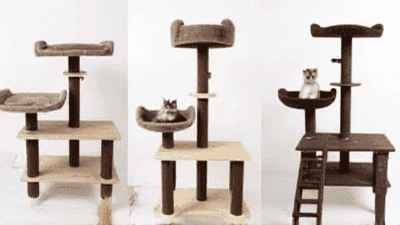
Building your own cat tree allows you to customize the design to fit your space and your cat’s preferences.
Materials You’ll Need
- Wooden planks or PVC pipes for the frame.
- Sisal rope or carpet for scratching surfaces.
- Soft fabric or plush for perches.
- Non-toxic glue and screws for assembly.
Step-by-Step Guide
- Design the layout, including the height, number of levels, and features.
- Cut and assemble the frame using screws or glue.
- Wrap scratching posts with sisal rope or carpet.
- Cover perches with soft fabric or plush.
- Secure all parts to ensure stability.
7. FAQs About Cat Trees
Q: How tall should a cat tree be?
A: The height depends on your cat’s preferences and your space. Taller trees (5-6 feet) are ideal for active climbers, while shorter trees (2-3 feet) suit older or less active cats.
Q: Can I use a cat tree for multiple cats?
A: Yes, but choose a larger tree with multiple perches and condos to prevent competition.
Q: How do I encourage my cat to use the cat tree?
A: Place treats or toys on the tree to attract your cat. Praise and reward them when they use it.
Q: How often should I replace my cat tree?
A: Replace the cat tree if it becomes unstable, damaged, or no longer interests your cat.
Conclusion
Choosing the right cat tree is essential for keeping your feline friend happy, healthy, and entertained. By considering your cat’s age, activity level, and preferences, as well as your space and budget, you can find the perfect cat tree to suit your needs. Whether you opt for a budget-friendly option like the Go Pet Club Cat Tree or a premium model like the New Cat Condos Classic Cat Tree, investing in a high-quality cat tree will provide your cat with hours of enjoyment and a safe space to call their own. Happy shopping, and may your feline friend enjoy their new playground!